
Emotional Regulation
Big Idea
👉 Healthy communication allows honesty without causing harm.
Your words matter — and so does how they land.
Section 1
WHY COMMUNICATION MATTERS

Communication is how we:
Express feelings
Set boundaries
Ask for help
Repair misunderstandings
Stay connected to others
When communication is healthy, it builds trust and understanding.
When communication becomes harmful, it can damage relationships — even when harm was not intended.
Many communication problems don’t come from bad intentions.
They come from strong emotions combined with a lack of skills.
👉 Learning how to communicate with care helps protect both your relationships and your emotional health.
Section 2
HOW EMOTIONS AFFECT COMMUNICATION
1️⃣ The Body Reacts Before Words Are Chosen
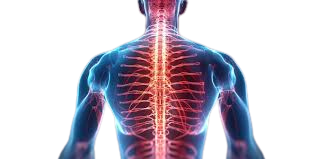
When emotions rise, the body reacts before the thinking brain has time to respond.
This means:
Words may come out faster than intended
Tone may sound sharper than expected
Listening may feel difficult or impossible
👉 Communication struggles often start in the body, not the mouth.

2️⃣ Emotional States Change How We Hear
Strong emotions don’t just affect what we say —
they affect what we hear.
When we’re overwhelmed:
Neutral comments may feel critical
Silence may feel like rejection
Feedback may feel like attack
👉 Our emotional state can distort the message, even when harm wasn’t intended.

3️⃣ Protection vs. Connection
Under stress, the brain chooses protection over connection.
Protection looks like:
Defensiveness
Interrupting
Shutting down
Raising your voice
Connection requires:
Slowing down
Listening
Staying present
👉 Harmful communication is often a sign of self-protection, not disrespect.

4️⃣ Why Pausing Changes Communication
Even a brief pause helps:
The nervous system settle
The thinking brain re-engage
Words come out more clearly
This is why taking a breath, asking for time, or stepping away can prevent harm.
👉 Regulation creates room for respectful communication.
Strong emotions don’t make communication impossible — they make care more necessary.
👉 Communication without harm starts with awareness, not perfection.
Section 3
EXPRESSING YOUR FEELINGS WITHOUT ATTACKING

Healthy communication focuses on expressing your experience, not blaming others.
Helpful communication:
Uses “I” statements
Describes feelings instead of accusations
Stays specific and calm
Examples:
“I feel overwhelmed when plans change suddenly.”
“I need time to think before responding.”
“I felt hurt by what was said.”

Harmful communication often:
Uses blame (“You always…” “You never…”)
Assumes intent
Escalates conflict
👉 You can be honest without being hurtful.
Section 4
LISTENING WITH CARE

Communication is not only about speaking — it’s also about listening.
Listening with care means:
Letting the other person finish
Not preparing your response while they speak
Staying present instead of shutting down
Asking clarifying questions
Examples:
“Can you help me understand what you meant?”
“I want to make sure I’m hearing you correctly.”
Listening does not mean:
Agreeing with everything
Giving up your boundaries
Ignoring your own needs
👉 Listening creates space for understanding, even when opinions differ.
Section 5
GENTLE REMINDER
Even with care, communication won’t always go perfectly.
Repairing communication means:
Acknowledging when harm occurred
Taking responsibility for your words
Reconnecting after conflict
Examples of repair:
“I didn’t say that well. Let me try again.”
“I’m sorry for how that came out.”
“Can we reset and talk about this calmly?”


Healthy communication allows room for repair — not shame.
Scripture reminds us:
“The tongue has the power of life and death.”
— Proverbs 18:21
This means our words can:
Build understanding
Offer safety
Or cause harm
Your voice matters.
And so does the impact of your words.
Communication without harm is a skill —
and skills can be learned.
👉 Wisdom is choosing words that bring clarity, not damage.
Section 6
LET’S CHECK IN
🌱 Well done.
Choosing words with care is part of emotional health.