
Emotional Regulation
Big Idea
👉 Your body reacts first — and that’s okay.
Learning to notice those signals helps you stay in control instead of feeling overwhelmed.
Sometimes we think feelings only live in our thoughts.
But feelings show up in the body before we ever put words to them.
When you learn to listen to your body, you gain power — not fear.
Your body and your feelings are always working together.
Before your mind can say “I’m nervous” or “I’m angry,”
your body often speaks first.
You might notice:
Your heart beating faster
Your stomach feeling tight or fluttery
Your hands clenching
Your face feeling warm or flushed
Your shoulders creeping up toward your ears
These are body signals.
They are not bad.
They are not dangerous.
They are not a problem to fix.
They are messages.
Your body is saying:
“Something matters right now.”
“Pay attention.”
“I’m trying to help you.”
YOUR BODY IS PART OF YOUR FEELINGS
Section 1
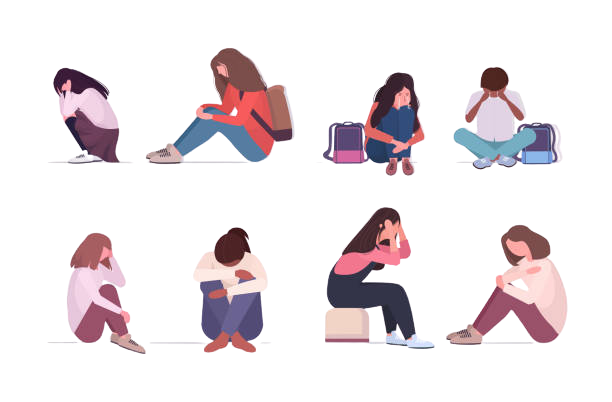
Quick Check (Think, Don’t Answer Yet)
Have you ever noticed your body reacting before you knew what emotion you were feeling?
That’s not strange.
That’s human.
Section 2
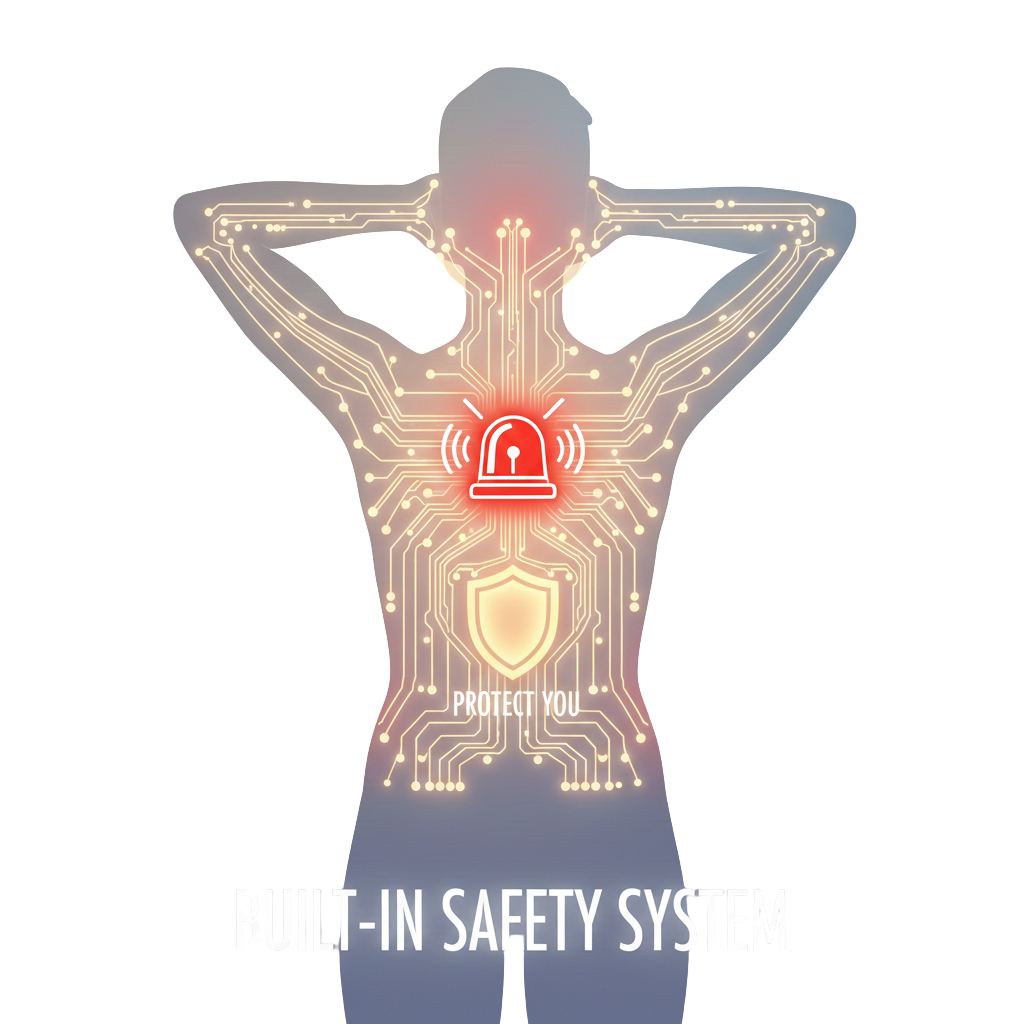
THE BODY’S ALARM SYSTEM
Inside your body is a built-in safety system.
It’s like an alarm that turns on to protect you.
When it thinks something might be wrong, it can:
Speed up your heart
Tighten your muscles
Make you feel restless or tense
Get you ready to act quickly
This system is very helpful in real danger.
But sometimes it turns on when you’re not actually unsafe — like during:
Arguments or conflict
Stress at school
Being embarrassed
Feeling judged or misunderstood
Thinking someone is upset with you
That doesn’t mean you’re weak.
That doesn’t mean something is wrong with you.
It means your body is doing its job a little too fast.
Section 3
BODY SIGNALS ARE CLUES — NOT COMMANDS



Here’s one of the most important things to remember:
A body reaction is information — not an order.
A fast heartbeat doesn’t mean you must yell.
A tight stomach doesn’t mean you must run away.
Clenched fists don’t mean you must hit or shut down.
Body signals are saying:
“Pause.”
“Notice me.”
“Something needs attention.”
You still get to choose what happens next.
Your body may speak first —
but you are still in charge.
Section 4
NAME THE BODY SIGNAL

When strong feelings show up, try this gentle check-in:
Ask yourself:
What do I feel in my body?
Where do I feel it?
Is it tight, fast, heavy, warm, shaky, or tense?
You don’t need to fix it yet.
You don’t need to judge it.
Just notice it.
Examples:
“My chest feels tight.”
“My jaw is clenched.”
“My stomach feels uneasy.”
Putting words to body sensations helps your system calm down.
It’s like telling your body:
“I hear you.”
Section 5
PRACTICE— BODY SCAN (30 SECONDS)
Sit comfortably.
Place your feet on the ground.
Take one slow breath in…
and one slow breath out.
Now, quietly check in with your body:
Head
Shoulders
Chest
Stomach
Hands
Ask yourself:
“Is anything tense or uncomfortable right now?”
If yes — that’s okay.
If no — that’s okay too.
You don’t need to change anything.
Noticing is enough for now.

Let’s practice noticing together.
Section 6
GENTLE REMINDER

Your body reacts to protect you.
You get to decide how to respond.
Body signals are like warning lights on a dashboard —
they give information.
They don’t drive the car.
You do.
Section 7
LET’S CHECK IN
🌱 Well done.
Noticing your body is the first step toward choice and control.