
Emotional Regulation
Big Idea
👉 All feelings are valid, but not all reactions are helpful.
Section 1
LET’S START SIMPLE
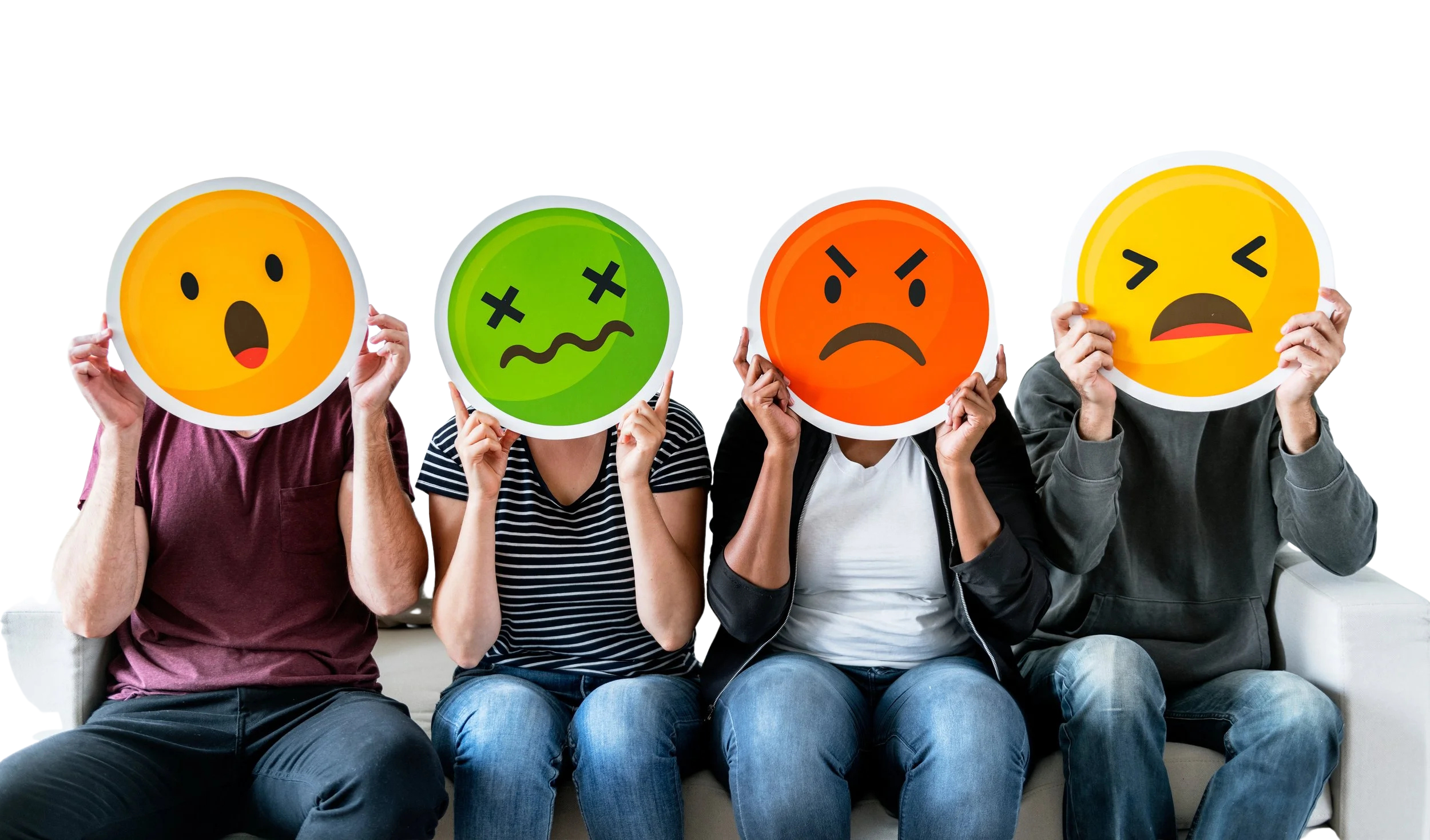
Feelings are messages.
They tell us:
When something matters
When something feels good or bad
When we might need help, rest, or protection
Feelings are not problems to fix.
They are information to understand.
What Are Feelings?
Section 2
FEELINGS SHOW UP FAST

Before We Even Think
Sometimes feelings show up before thoughts.
Your body might react first:
Your heart beats faster
Your stomach feels tight
Your shoulders tense
You feel like yelling, crying, or shutting down
This is your body saying:
“Pay attention.”
Nothing is wrong with you.
Your body is doing its job.
Section 3
SIGNALS VS. BOSSES
The Big Idea
Let’s remember this:
Feelings are signals — not bosses.
A signal gives information.
A boss gives orders.
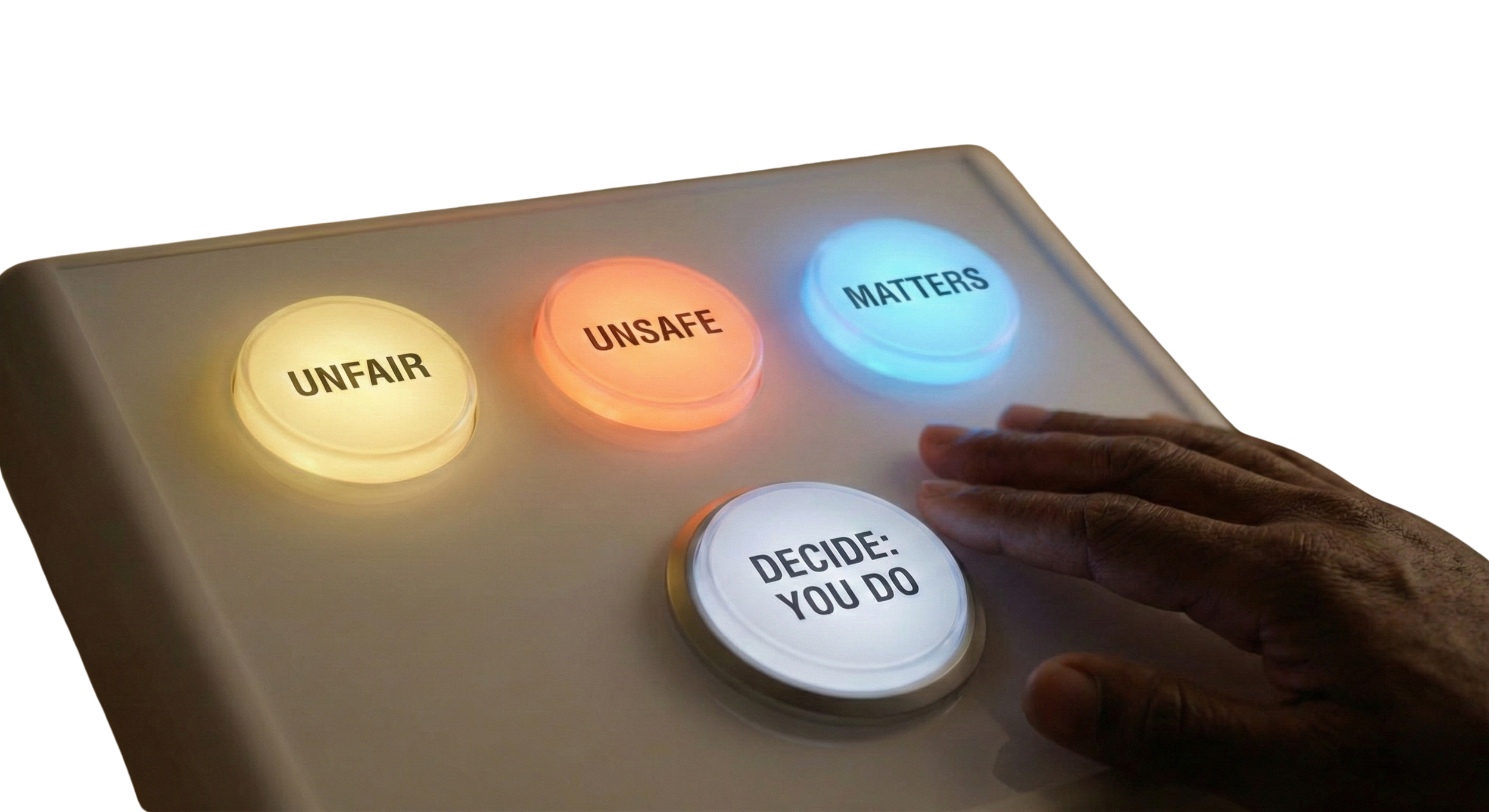
Feelings can tell you:
“Something feels unfair.”
“Something feels unsafe.”
“Something really matters to me.”
But feelings don’t get to decide what you do next.
You do.
Section 4
THE PAUSE TOOL
What To Do When Feelings Feel Big
When emotions feel strong, try this simple tool
1. Pause
Stop the moment.
Nothing else works without this.
(You already have this ✔️)
2. Breathe
Slow the body so the brain can come back online.
Tip for kids/teens:
“Slow breaths tell your brain you are safe.”
(You have this ✔️ — but it works best before naming.)
3. Name It
Put words to what you’re feeling.
Why this matters:
Naming emotions reduces their intensity.
Example:
“I feel angry.”
“I feel nervous.”
“I feel embarrassed.”
(You have this ✔️)

4. Understand It ← This is missing
Ask:
“Why might this feeling be here?”
Teach them:
Feelings don’t come out of nowhere.
Examples:
“I feel angry because I felt disrespected.”
“I feel anxious because something feels uncertain.”
“I feel sad because I lost something important.”
This step builds self-awareness, not shame.
6. Reflect (Later) ← Often missing but powerful
After the moment passes, ask:
“What helped?”
“What didn’t?”
“What can I try next time?”
This builds long-term emotional skill, not just calm.
You can anchor it with:
That’s it.
You don’t have to fix anything yet.
You’re just creating space.
5. Choose a Response ← This is missing
This is where regulation actually happens.
Teach the difference:
• Feelings = signals
• Actions = choices
Examples:
“I feel angry, but I can choose to walk away.”
“I feel nervous, but I can ask for help.”
“I feel sad, and I can give myself comfort.”
Section 5
CHOOSING A RESPONSE
This Is Emotional Regulation
When you pause, you give yourself choices.
Instead of reacting, you can ask:
“What do I need right now?”
“What keeps me and others safe?”
“What would help instead of hurt?”
Emotional regulation means:
Listening to feelings
Slowing down
Choosing actions with care
It does not mean:
Never feeling angry
Always staying calm
Ignoring emotions

Section 6
GENTLE REMINDER
Memory Hook
Feelings are visitors, not bosses.
They can knock on the door—but you decide what happens next.

Section 7
GENTLE CLOSING
Learning to understand feelings takes time.
You’re allowed to:
Learn slowly
Make mistakes
Pause when things feel hard
This is practice — not perfection.
“Be quick to listen, slow to speak, and slow to become angry.”
— James 1:19

Section 8
LET’S CHECK IN
🌱 You’ve completed Lesson 1: Feelings Are Signals, Not Bosses
Take a moment to breathe. Notice what you’re carrying now compared to when you started.
“The Lord is close to the brokenhearted and saves those who are crushed in spirit.” — Psalm 34:18
When you’re ready, Lesson 2 will help you understand how your body speaks before your words do.