
Emotional Regulation
Big Idea
👉 Triggers are learned responses, not personal failures.
When we understand our patterns, we gain the power to respond with wisdom instead of reacting on autopilot.
Section 1
WHAT ARE TRIGGERS?
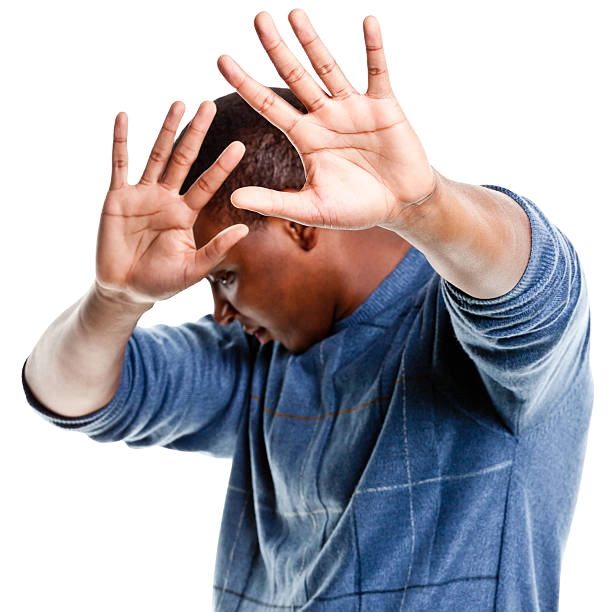
A trigger is anything that activates a strong emotional or physical reaction based on a past experience.
Triggers are not always obvious.
They don’t always come from “big” events.
A trigger can be:
A tone of voice
A facial expression
Being ignored or dismissed
Feeling rushed, criticized, or misunderstood
Certain places, times, or situations
👉 A trigger connects the present moment to a past experience — often without permission.
Section 2
WHY TRIGGERS FEEL SO INTENSE
When a trigger appears, the body may react as if the past is happening right now.
This can look like:
Sudden anger
Shutting down
Panic
Tears
Defensiveness
Feeling overwhelmed “out of nowhere”
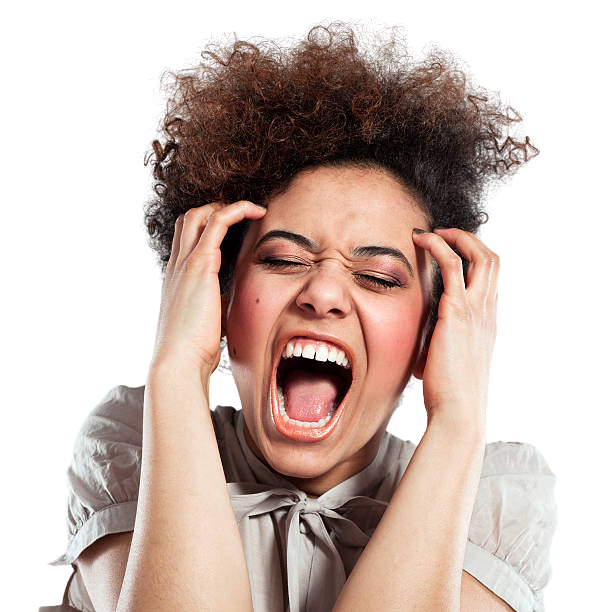
This happens because the brain is trying to protect you.
👉 The brain remembers what hurt before and reacts quickly to prevent it from happening again.
Important:
This reaction is automatic — not intentional.
Section 3
TRIGGERS VS. THE PRESENT MOMENT
Triggers can blur time.
When triggered:
Your body reacts to the past
Your mind struggles to stay in the present
Your emotions feel bigger than the situation deserves
This is why:

One situation feels manageable
Another feels overwhelming, even if they seem similar
👉 The intensity is not about now — it’s about then.
Section 4
WHAT ARE PATTERNS?

Examples:
Always shutting down during conflict
Getting angry when feeling ignored
Avoiding conversations that feel vulnerable
Becoming defensive when corrected
A pattern is a reaction that shows up repeatedly in similar situations.
Patterns are not random.
👉 They are learned strategies your body and mind created to survive.
Section 5
WHY PATTERNS EXIST
Patterns exist because they once helped.

At some point:
Avoiding kept you safe
Staying quiet prevented more harm
Reacting quickly protected your boundaries
Shutting down reduced emotional pain
👉 What once protected you may now be limiting you.
Understanding patterns helps you update them — not erase them.
Section 6
CURIOSITY OVER JUDGMENT

When a trigger or pattern shows up, the goal is not to shame yourself.
Try asking:
“What is this reaction trying to protect?”
“When have I felt this before?”
“What does my body need right now?”

Instead of asking:
“What’s wrong with me?”
“Why am I like this?”
👉 Awareness creates space.
👉 Judgment creates shutdown.
Section 7
CREATING SPACE BETWEEN PAST & PRESENT
Once you recognize a trigger:

Pause your reaction
Ground your body (breathe, feel your feet,
relax your jaw)
Remind yourself: “I am safe right now.”
Choose how to respond instead of reacting automatically
This is how regulation grows.
👉 You are not erasing the past.
👉 You are separating it from the present.
Section 8
GENTLE REMINDER
Scripture reminds us:
“Above all else, guard your heart, for everything you do flows from it.”
— Proverbs 4:23
Guarding your heart does not mean shutting down or hardening yourself.
It means:
Paying attention to what affects you
Noticing emotional and physical reactions
Responding with wisdom instead of reacting automatically
Triggers and patterns are not signs of weakness.
They are signs that your body learned how to protect you.
When you approach yourself with curiosity instead of judgment,
you create space between the past and the present.
Awareness is the beginning of change.
Compassion is how change lasts.

Section 9
LET’S CHECK IN
🌱 Well done.
Understanding yourself is part of healing.