Emotional Regulation
Big Idea
👉 Emotional resilience is the ability to recover, adapt, and keep going — with gentleness, awareness, and skill.
Section 1
CELEBRATE THE GROWTH YOU’VE MADE

Completing this course matters. Emotional regulation isn’t “common sense” — it’s a skill set many people were never taught.
In this course, you practiced:
Slowing down instead of reacting quickly
Listening to your body’s signals
Naming emotions instead of ignoring them
Creating a pause before responding
Understanding triggers and patterns
Setting boundaries to protect your peace
Communicating honestly without harm
These are not just “emotional” skills.
They are life skills that protect your:
Relationships
Decision-making
Confidence
Stress management
Sense of safety and self-respect
Key truth:
👉 Growth isn’t proven by never struggling.
👉 Growth is proven by noticing sooner and responding with more care.
Section 2
WHAT EMOTIONAL RESILIENCE REALLY IS
It means:
You can feel sadness, frustration, anxiety, or disappointment without judging yourself
You can pause and regulate instead of reacting automatically
You can adapt when things don’t go as planned
You can return to balance after emotional stress
Resilience is not about avoiding struggle.
It’s about how you relate to struggle.
Some days, resilience looks like:
Taking a breath instead of saying something harmful
Stepping away from a situation that feels too intense
Asking for support instead of isolating
Allowing yourself rest without guilt
Other days, resilience looks quieter:
Trying again after a hard day
Noticing emotional signals sooner
Offering yourself patience instead of criticism
Choosing compassion over pressure
Emotional resilience is often misunderstood.
Many people think resilience means being strong all the time, staying positive, or pushing through without slowing down. But real emotional resilience looks very different.
Emotional resilience is the ability to experience difficult emotions without being overwhelmed by them, and to recover after stressful moments with care and awareness.
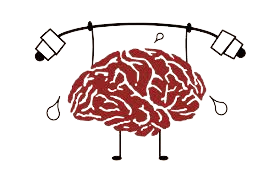

Some days will feel easier than others. That doesn’t mean you’re failing — it means you’re human.
Emotional regulation is not something you master and move on from. It’s a practice that grows through repetition, patience, and gentleness.
Resilience grows not when emotions disappear, but when you trust yourself to handle them, one moment at a time.
👉 Resilience does not mean consistency. It means continuation.
Section 3
INTEGRATING YOUR RESILIENCE

Emotional resilience is built by using what you’ve learned in real life, not by doing everything perfectly.
At this point, you don’t need more tools —
you need familiar ones you trust.
Resilience grows when you begin to notice:
Which skills help you calm down most often
What supports you when emotions feel heavy
How you recover after a hard moment
This might look like:
Pausing sooner than you used to
Recognizing when you need rest or space
Choosing a calmer response, even if it’s not perfect
Reaching out instead of shutting down
Your goal is not to manage every emotion flawlessly.
Your goal is to respond with awareness instead of autopilot.
Over time, these small choices add up.
They build confidence.
They build steadiness.
They build trust in yourself.
Emotional resilience is learning that:
👉 You can face difficult moments
👉 You have ways to support yourself
👉 And you can recover, even when things feel hard


That trust — in your ability to respond with care —
is what allows resilience to grow.
Section 4
GENTLE REMINDER
Take a moment to reflect:
What tool helped you the most during this course?
What situation do you want to handle differently going forward?
What does “moving gently with yourself” look like in real life?
Who can support you as you keep practicing?
Remember: practice is not failure. Practice is progress.
And as Scripture reminds us:
“The Lord will guide you always; He will satisfy your needs.”
— Isaiah 58:11
You are not doing this alone.
God’s guidance is available to you, even on days when you feel tired or overwhelmed.


Section 5
LET’S CHECK IN